
Baths, Smoke, and Release: The Energetic Hygiene Practices of Umbanda
Iya Ifagbemisola
4/22/20263 min read
We already understand, intuitively, that environments and bodies accumulate things that need to be cleared. Umbanda simply takes this understanding one step further — and offers a precise, time-tested set of tools for doing it on an energetic level.
Why Energetic Hygiene Matters
In Umbanda's cosmology, the human aura is not a fixed or self-cleaning system. It accumulates — heavy projections from others, emotional residue, spiritual interference, the invisible weight of places and situations we pass through every day.
Left unaddressed, these accumulations dull our spiritual sensitivity, affect our physical wellbeing, and create what Rubens Saraceni calls cascões — hardened energetic deposits clinging to the aura like barnacles to the hull of a ship.
The three foundational tools for addressing this are herbal baths, smoke cleansing, and discharge rituals. Each one works differently, and each one serves a distinct purpose.
Herbal Baths: Cleansing from the Outside In
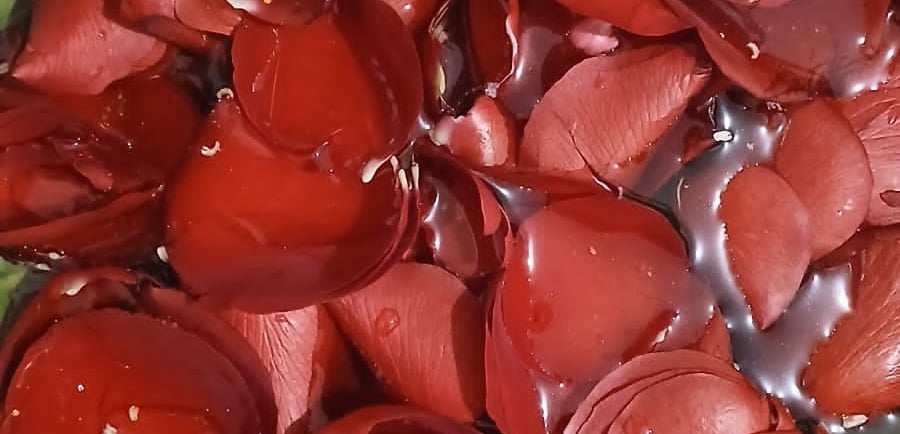
The spiritual bath — banho de ervas — is perhaps the most widely known of these practices, and for good reason. Fresh herbs carry living essences: aromatic compounds that interact with the body's energy field, loosening and dissolving accumulated layers in ways that ordinary water simply cannot.
The preparation matters. Fresh herbs are brought to a boil, then the heat is turned off and the pot is covered, allowing the water to cool slowly while absorbing the full essence of the plants. The result is poured over the body after a regular hygiene shower — not instead of it.
For mineral-based baths using salts or resins, the process is reversed: elements go in with cold water before heating, releasing their properties as the temperature rises.
This is not ritual for ritual's sake. Each step has a functional logic — and understanding that logic transforms the practice from superstition into applied spiritual knowledge.
Smoke Cleansing: Purifying Space and Presence
The defumação — smoke cleansing — works on environments the way baths work on bodies.
Every space accumulates the emotional and energetic residue of the people who pass through it. Temples, homes, workplaces — all of them absorb. A defumação disperses these accumulations, purifying the atmosphere and restoring vibrational clarity to a space.
The practice is ancient and cross-cultural: incense burns in Catholic cathedrals, Buddhist temples, Indigenous ceremonies, and Umbanda terreiros alike. The mechanism is the same everywhere — smoke carries intention, clears density, and opens energetic pathways.
For a home, once a week is ideal — particularly in bedrooms and living rooms, where emotional energy concentrates most heavily.
Discharge Rituals: Breaking What Won't Shift
Sometimes a bath or a smoke cleanse is not enough. When a person, a home, or a spiritual space is dealing with active interference — obsessive spiritual presences, deeply lodged energetic blocks, or persistent negative projections — stronger measures are called for.
Descarregos, or discharge rituals, work through force rather than subtlety. The most striking example uses gunpowder ignited over a traced sacred point, creating a sudden explosion of energy that penetrates the magnetic field and dislodges what has become stuck. Other forms use specific herbs, popcorn, ocean bathing, or waterfall immersion — each activating a different quality of release.
These are not casual practices. Saraceni is clear: before working with fire-based discharge, one must first anchor one's Orisha, spiritual mentor, and guardian Exu. The container must be strong before you shake what's inside it.
The Bigger Picture
What makes these practices distinctly Umbanda — rather than generic folk magic — is their theological grounding. Each herb, each mineral, each element corresponds to specific Orisha forces. A bath is not just a bath: it is a conversation with the natural world, mediated by sacred knowledge passed down through generations of practitioners.
Learning why these tools work, not just how to use them, is what transforms a practitioner from someone following instructions into someone who understands the language they are speaking.
If you want to understand the deeper theology behind these practices — the Orisha forces, the energetic laws, and the living language that holds it all together — that is exactly what we explore in The Language of the Orishas.
#UmbandaPractice #HerbalBath #Defumacao #SpiritualCleansing #EnergeticHygiene #Umbanda #Orishas #SpiritualBath #AfrodiasporicSpirituality #EscolaDopentagrama